


Leopard Gecko Lighting: Do Nocturnal Reptiles Need UVB?
Updated: Jun 29

Quick Answer
Yes, leopard geckos benefit from UVB lighting. Although they are primarily crepuscular and most active at dawn and dusk, leopard geckos naturally receive low levels of ultraviolet light while basking or resting near the entrances of their burrows. Providing a low-intensity UVB lamp helps support natural vitamin D3 production, calcium absorption, healthy bone development, and overall well-being. For most leopard geckos, a target UV Index (UVI) of 0.5–1.5 at the basking area is recommended.
Introduction
A proper leopard gecko UVB lighting guide is important for maintaining your gecko’s health in captivity. Although leopard geckos are nocturnal and require lower UVB exposure than desert reptiles, providing the correct UVB lighting can support vitamin D3 production, calcium absorption, and overall well-being. In this guide, you’ll learn how to create a safe and effective UVB setup for leopard geckos.
Understanding Leopard Gecko Activity: Nocturnal, Crepuscular, or Both?
While leopard geckos are commonly labeled as “nocturnal,” research suggests their behavior in the wild is actually crepuscular—active at dawn and dusk with occasional day-time basking. In their native Central Asian habitats, wild leopard geckos emerge during twilight and sometimes briefly sun themselves in indirect daylight. This evolutionary habit means they are naturally exposed to modest, indirect UVB levels that penetrate shaded rocks and burrows.
Do Leopard Geckos Need UVB Lighting?
Leopard geckos are crepuscular reptiles, meaning they are most active during dawn and dusk. While they do not require intense UVB lighting, research shows that low-level UVB exposure can improve health and natural behavior.
Providing UVB lighting helps support calcium metabolism and reduces the risk of metabolic bone disease.
Why Leopard Geckos Need UVB Lighting
For many years, leopard geckos were believed to thrive without UVB lighting if they received vitamin D3 supplements. However, recent research and modern reptile husbandry practices show that providing appropriate UVB exposure offers several health benefits.
UVB lighting helps leopard geckos:
Produce vitamin D3 naturally
Improve calcium absorption
Reduce the risk of metabolic bone disease (MBD)
Support healthy bone and muscle development
Encourage natural basking behavior
Promote long-term health and activity
While dietary supplementation remains important, low-level UVB allows leopard geckos to regulate their own vitamin D3 production in a way that more closely resembles their natural environment.
What Is UVB, and Why Does It Matter?
UVB (ultraviolet B) radiation is a specific part of sunlight with wavelengths between 290–320 nanometers. For reptiles, UVB is essential for:
Vitamin D3 synthesis: Enables the skin to produce vitamin D3, which is critical for healthy calcium metabolism.
Calcium absorption: Facilitates the uptake of dietary calcium, preventing ailments like metabolic bone disease (MBD).
Overall health: Aids in immune system function, mood regulation, and natural behavioral patterns.
Historically, it was believed that only diurnal, basking reptiles needed UVB, but emerging research shows its importance for a wider range of species—including leopard geckos.
The Science: Do Leopard Geckos Benefit from UVB Lighting?
Research Highlights
Vitamin D3 Synthesis with UVB in Nocturnal Reptiles A 2020 study showed that leopard geckos exposed to low-level UVB (UVI ≤ 1.6) just two hours a day had an increase in vitamin D3 (25(OH)D3) blood levels by over 50%.
This means even short, mild UVB exposure helps these geckos produce vital vitamin D3.
Shade-Dweller Adaptations Shade-dwelling species exhibit greater skin sensitivity to UVB, absorbing more in lower intensities compared to true baskers.
Some studies suggest brief, low-level UVB access aligns with wild exposure patterns, stimulating biological processes efficiently without risk of burns.
Comparisons: Diet-Only vs. UVB Supplementation While high-quality diets dusted with D3 supplements can maintain health for a period, over-reliance on artificial supplementation can lead to overdosing and variable absorption. Natural UVB exposure is self-regulating and safer long-term.
Understanding UV Index (UVI)
Choosing a UVB bulb based only on the percentage printed on the packaging can be misleading. What matters most is the UV Index (UVI) that reaches your gecko's basking area.
Leopard geckos belong to Ferguson Zone 1–2, meaning they naturally experience relatively low UV exposure compared with desert basking reptiles.
Lighting Recommendation | Suggested Value |
Ferguson Zone | Zone 1–2 |
Target UVI | 0.5–1.5 |
Daily Photoperiod | 10–12 hours |
UVB Type | Low-output T5 or T8 fluorescent tube |
Providing a gentle UV gradient allows your gecko to choose when and how much UV exposure it receives throughout the day.
Expert Consensus
Recent herpetological guidelines increasingly recommend offering low-level UVB lighting to all leopard geckos and other “nocturnal” reptiles, especially to improve long-term bone strength and immune health.
Benefits of UVB Lighting for Leopard Geckos
Even though leopard geckos can survive without UVB, providing it offers several important benefits:
- Supports vitamin D3 production
- Improves calcium metabolism
- Reduces risk of metabolic bone disease
- Encourages natural activity patterns
Adding UVB lighting creates a more natural and healthy environment.
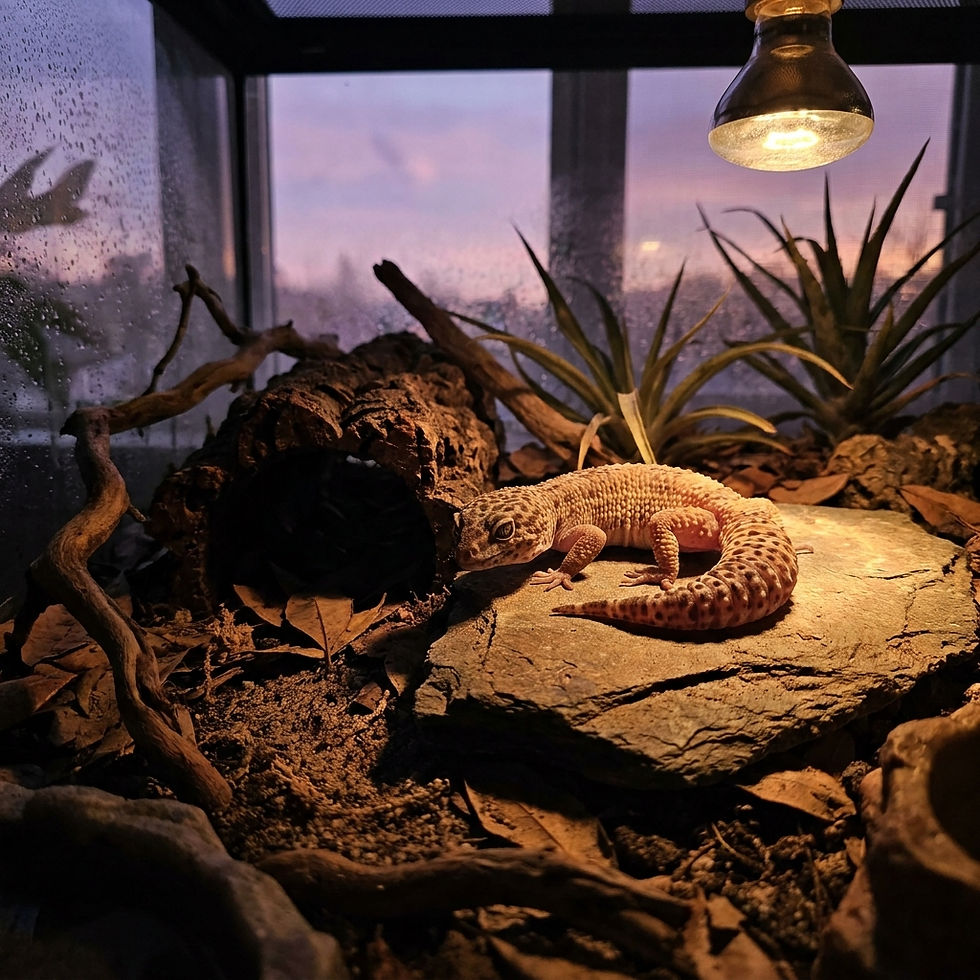
How Much UVB Do Leopard Geckos Need?
UV Index (UVI) Recommendations
Wild Type/Normal Pigmentation: UVI 0.5–1.5 at the gecko’s basking spot.
Albino or Hypo Morphs: UVI 0.5–0.7 to prevent skin sensitivity or burns.
Best Practice: Provide a gradient, so your gecko can choose higher or lower UVB exposure as needed.
Choosing the Right Bulb and Setup
Bulb Strength: Use low-output UVB bulbs (5–7% range), such as T8 fluorescent tubes or specialized shade-dweller T5 units.
Distance from Gecko: Position bulbs to create the right UVI at the basking site, typically 12–16 inches above the surface for T8, or 18–24 inches for T5HO with appropriate reflectors.
Hours Per Day: Run UVB lighting for 12–14 hours to mirror natural daylight; no need for special night bulbs.
No Glass or Plastic Covers: These block UVB—only a mesh screen between bulb and animal is acceptable.
Provide Shade: Always offer hides and shaded areas for geckos to escape UVB when desired.
Choosing the Right UVB Lamp
Not every UVB bulb is suitable for leopard geckos.
Generally recommended options include:
Low-output T5 UVB fluorescent tubes
T8 UVB tubes for smaller enclosures
Compact UVB bulbs for temporary or nano setups
Fixtures with quality reflectors for improved light distribution
For most standard terrariums, long fluorescent UVB tubes provide more even coverage than compact bulbs.
Avoid extremely high-output UVB lamps intended for desert reptiles unless enclosure height and distance have been carefully calculated.
Lighting Setup Example for a Leopard Gecko
Component | Recommendation |
UVB Bulb | 5–7% T8 tube or shade-dweller T5 |
Bulb Placement | 12–18" above basking zone |
UVI at Basking Spot | 0.5–1.5 |
Hours On/Day | 12–14 |
Shade/Hides | Always available |
Supplementation | Moderate D3 dusting <1–2x/week |
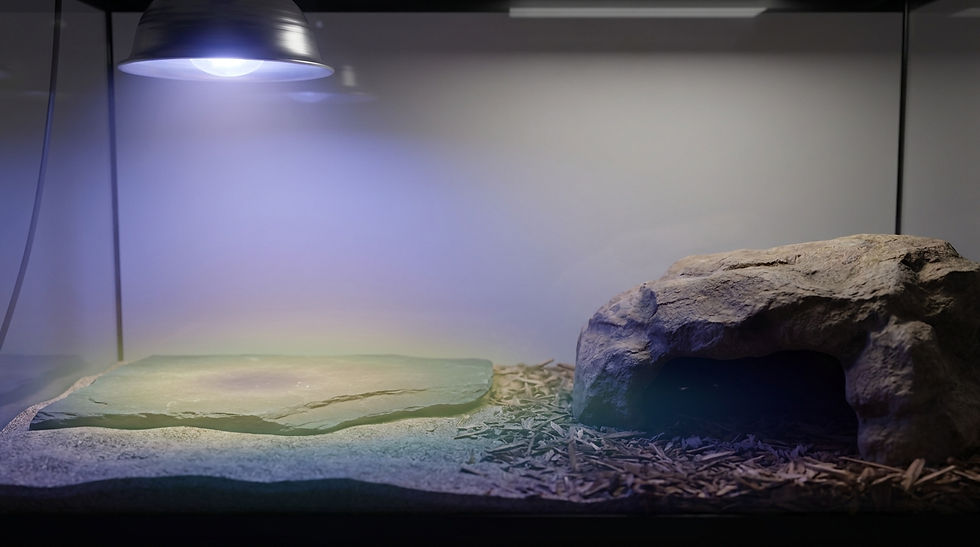
Recommended UVB Setup for Leopard Geckos
Setup Factor | Recommendation |
UVB Strength | 2.0–5.0 |
Light Duration | 10–12 hours daily |
Distance | 6–12 inches |
Bulb Type | Linear UVB preferred |
Proper UVB Placement
Correct installation is just as important as selecting the right bulb.
For best results:
Position the UVB fixture over one side of the enclosure.
Create a basking area with low-level UV exposure.
Leave shaded hiding places available at all times.
Avoid placing glass or acrylic between the lamp and the enclosure.
Follow the manufacturer's recommended mounting distance.
This creates a natural UV gradient, allowing leopard geckos to self-regulate their exposure.
What Happens If You Don’t Offer UVB?
Leopard geckos kept without UVB may:
Survive, but are at increased risk for subtle calcium deficiency and MBD over time.
Exhibit weaker coloration, immune challenges, and lower breeding success.
Become more reliant on artificial vitamin D3 supplements, raising risk of overdose or inconsistent absorption.
The benefits of providing low-level, brief UVB exposure far outweigh the risks, especially when using species-appropriate equipment.
7 Essential UVB Lighting Tips for Leopard Geckos
1. Use Low-Level UVB (2.0–5.0)
Leopard geckos require low UVB levels to avoid overexposure.
2. Position the Light Correctly
Place the UVB light above the basking area for proper exposure.
3. Avoid Glass Barriers
Glass blocks UVB rays, reducing effectiveness.
4. Provide Hiding Areas
Ensure your gecko can escape UVB exposure when needed.
5. Maintain Proper Distance
Keep the light at a safe distance to prevent stress or burns.
6. Replace Bulbs Regularly
UVB bulbs lose effectiveness over time and should be replaced every 6–12 months.
7. Combine with Proper Diet
UVB works best when paired with calcium-rich feeding.
UVB and Heat Work Together
UVB lighting should always be combined with proper heating.
Heat Source | UVB Lighting |
Regulates body temperature | Supports vitamin D3 production |
Aids digestion | Helps calcium metabolism |
Creates basking temperatures | Prevents metabolic bone disease |
Supports daily activity | Encourages natural basking behavior |
Both heat and UVB are important components of a healthy leopard gecko enclosure.
Common UVB Lighting Mistakes
Many lighting problems result from incorrect setup rather than poor-quality equipment.
Avoid these common mistakes:
Using UVB lamps designed for desert reptiles
Mounting the fixture too close to the basking area
Allowing glass to block UVB rays
Forgetting to replace UVB bulbs as their output declines
Lighting the entire enclosure without providing shaded areas
Assuming dietary supplements completely replace UVB lighting
A balanced enclosure gives geckos access to both light and shade so they can regulate their exposure naturally.
Signs Your Leopard Gecko May Not Be Getting Enough UVB
Insufficient UVB exposure may contribute to several health problems over time.
Watch for signs such as:
Weak or soft bones
Difficulty walking
Tremors or muscle weakness
Reduced appetite
Poor growth in juveniles
Lethargy
Difficulty shedding
If these symptoms appear, consult a qualified reptile veterinarian to evaluate lighting, diet, and overall husbandry.
Expert Tip
At CTT Light, we recommend recreating the natural lighting conditions leopard geckos experience in the wild rather than providing intense desert-level UVB. A gentle UV gradient, combined with appropriate heat, hiding places, and proper supplementation, allows leopard geckos to regulate their own exposure while supporting healthy growth, strong bones, and natural behaviors.
Frequently Asked Questions
Do leopard geckos really need UVB?
While leopard geckos can survive with careful vitamin D3 supplementation, providing low-level UVB is now widely recommended because it supports natural vitamin D3 synthesis and overall health.
What UVB percentage is best?
Most leopard gecko enclosures work well with low-output UVB lamps, such as 2–7% UVB models, depending on enclosure size, mounting distance, and reflector design.
Can UVB be left on all day?
Yes. A daily photoperiod of 10–12 hours helps mimic natural daylight cycles. UVB lighting should be switched off at night.
Does UVB pass through glass?
No. Glass and acrylic block nearly all UVB radiation. The lamp should illuminate the enclosure directly without barriers.
Can UVB replace calcium supplements?
No. UVB lighting supports natural vitamin D3 production, but a balanced diet and proper calcium supplementation remain essential for healthy bone development.
How often should UVB bulbs be replaced?
Most T5 UVB tubes should be replaced every 12 months, while compact and T8 bulbs typically require replacement every 6–8 months, depending on the manufacturer's recommendations.
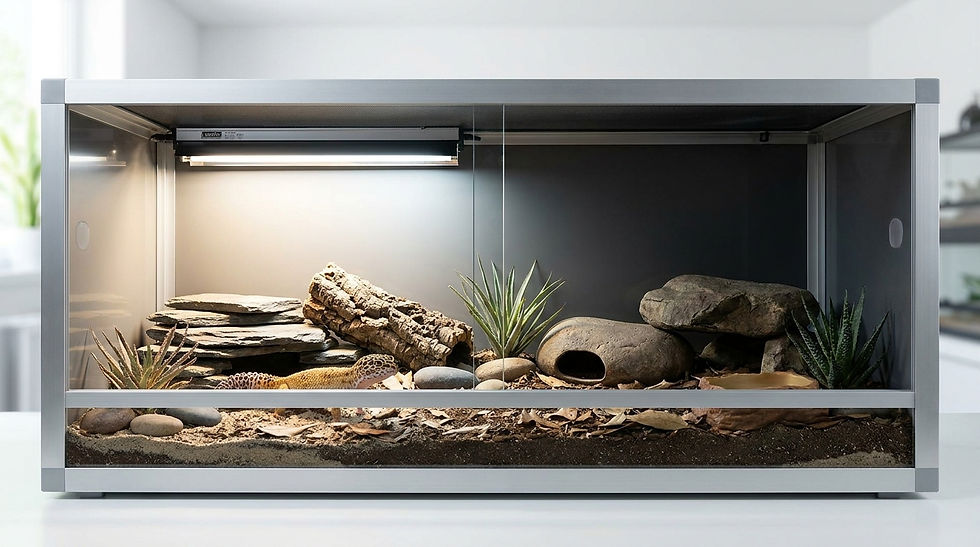
Advanced: The Shaded-Method Approach
The “Shaded-Method” is now widely recommended for leopard geckos and other crepuscular/shade-dwelling species. This means:
Most of the enclosure receives little to no UVB.
One small basking area reaches UVI 0.5–1.0.
Hides and retreats offer complete shade for self-regulation.
Use a UV Index meter to confirm readings at various basking and shaded spots.
The Bottom Line: Healthier Geckos with Low-Level UVB
Emerging scientific evidence strongly supports low-level UVB for leopard geckos:
Promotes vitamin D3 synthesis and healthy bones.
Reduces the risk of metabolic diseases.
Mirrors wild conditions, leading to more natural behaviors and overall well-being.
Even nocturnal and shade-dwelling reptiles can benefit greatly from a thoughtfully designed, safe lighting setup.
How to Set Up UVB Lighting for Leopard Geckos
Follow these steps:
- Install UVB light above the enclosure
- Ensure no glass or plastic blocks the light
- Create a gradient with shaded areas
- Use a timer for consistent lighting
This setup ensures your gecko receives safe and effective UVB exposure.
Summary Table: Low-Level UVB for Leopard Geckos
Topic | Key Recommendation |
UVI at Basking Zone | 0.5–1.5 (lower for pale/albino morphs) |
Bulb Type | T8 (5–7%) or Shade-dweller T5 |
Setup | One end of tank with low UVI, plenty of shade |
Hours Per Day | 12–14 |
Supplementation | Light D3 dusting + UVB combo |
Why Choose CTT Light UVB Solutions?
CTT Light designs reptile lighting solutions that provide reliable UVB output and even light distribution to support a wide range of species, including leopard geckos. Our UVB systems are developed to help reptile keepers recreate natural lighting conditions, promoting healthy calcium metabolism, natural behaviors, and long-term well-being while making enclosure setup simple and effective.
Conclusion
The debate is over: low-level UVB exposure is not only safe but also highly beneficial for leopard geckos. By providing a carefully designed lighting setup that mimics wild conditions—with brief, shaded, low-intensity UVB—you ensure your gecko lives a healthy, vibrant, and enriching life. Adopt the latest standards in herpetoculture with confidence and watch your shade-dweller thrive!
For more reptile care information, visit https://www.reptilesmagazine.com/
Create the Perfect Habitat for Your Leopard Gecko
Following this leopard gecko UVB lighting guide will help you provide a safe and healthy environment for your pet. The right lighting setup supports strong bones, better digestion, and overall well-being.
Explore our professional UVB lighting solutions to upgrade your reptile setup today. https://www.cttlight.com/


